
Real-Life Skill: Teaching Kids How to Forgive
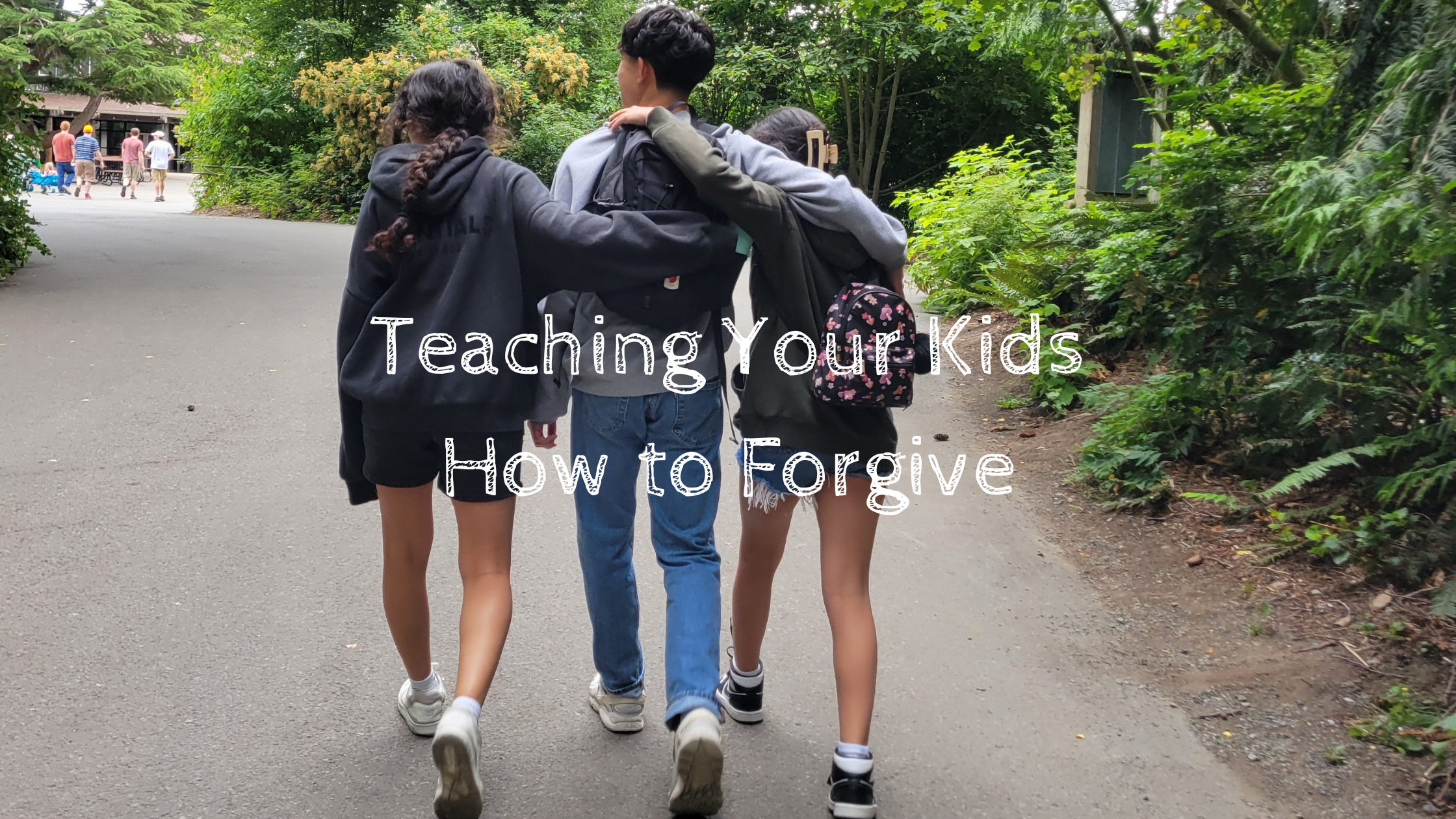
Most parents teach their kids things like tying their shoes, riding a bike, making food, cleaning up after themselves, and managing money. But one of the greatest real-life skills parents need to impart to their kiddos is how to forgive.
This is probably one of THE most difficult things to do as a human being … and even as an adult, I personally struggle royally with this. But what if we can start giving our children tools to help make forgiving others just a little easier than it is for us?
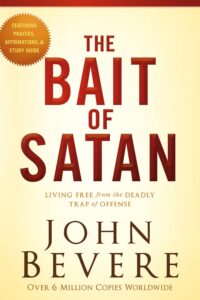
John Bevere calls offense “the bait of Satan” – because when we take the bait, we stay trapped in cycles of bitterness and resentment. The enemy LOVES when families live in offense, because it poisons relationships and keeps our hearts from freedom.
Here’s the thing: forgiveness doesn’t mean pretending something didn’t hurt. It means choosing to release the offense and entrusting justice to God. It’s not about excusing sin; it’s about refusing to let Satan’s trap hold you hostage.
Scripture About Forgiveness
When we’re hurt, our flesh wants to justify staying offended… or even repaying hurt with hurt. But our sense of justice is not God’s justice:
Bear with each other and forgive one another if any of you has a grievance against someone. Forgive as the Lord forgave you. – Colossians 3:13
Be kind and compassionate to one another, forgiving each other, just as in Christ God forgave you. – Ephesians 4:32
If I’m honest, there are times I read those verses and think: “That sounds good, Lord, but this wound is too deep. I don’t know if I can forgive.”
But here’s the reality that cuts through my excuses: Jesus – perfect, holy, and without sin – chose to forgive the undeserving and unrighteous … ME.
So, who am I to withhold forgiveness from others?:
You see, at just the right time, when we were still powerless, Christ died for the ungodly. Very rarely will anyone die for a righteous person, though for a good person someone might possibly dare to die. But God demonstrates his own love for us in this: While we were still sinners, Christ died for us. – Romans 5:8
As well, Jesus has set an example for us to follow in:
We all, like sheep, have gone astray, each of us has turned to our own way; and the Lord has laid on him the iniquity of us all. He was oppressed and afflicted, yet he did not open his mouth; he was led like a lamb to the slaughter, and as a sheep before its shearers is silent, so he did not open his mouth. – Isaiah 53:6-7
To this you were called, because Christ suffered for you, leaving you an example, that you should follow in his steps. “He committed no sin, and no deceit was found in his mouth.” When they hurled their insults at him, he did not retaliate; when he suffered, he made no threats. Instead, he entrusted himself to him who judges justly. – 1 Peter 2:21-23
Now, our hearts may respond: “But, Lord… what? That’s too much. That’s too hard.”
EXACTLY. It is too much for us. But it wasn’t too much for Him. And it’s His life in us that makes it possible:
“Ah, Sovereign Lord, you have made the heavens and the earth by your great power and outstretched arm. Nothing is too hard for you.” – Jeremiah 32:17
Jesus looked at them and said, “With man this is impossible, but with God all things are possible.” – Matthew 19:26
I can do all things through Christ who strengthens me. – Philippians 4:13
Practical Ways to Teach Forgiveness to Kids
- Use simple word pictures.
- Explain offense like a backpack full of rocks: “Every time you don’t forgive, you add another rock, and it gets too heavy to carry. Forgiveness is like taking the rocks out and giving them to Jesus.”
- Model it.
- Let your kids hear you say, “That hurt me, but I choose to forgive, because Jesus forgave me.” And even vulnerably ask your kids for prayer to have a soft heart that forgives.
- Practice small moments.
- When siblings argue, guide them to say: “I forgive you. I won’t hold this against you.” Help them see the difference between empty words and a heart choice. This isn’t about forcing them to say the words, but walking through Jesus’ own sacrificial laying down of his life as an example and precedent for forgiving others.
- Anchor it in Scripture.
- Besides the verses I already share above … Matthew 6:14: For if you forgive others their trespasses, your heavenly Father will also forgive you and Luke 6:37: Judge not, and you shall not be judged. Condemn not, and you shall not be condemned. Forgive, and you will be forgiven.
- Show them the bigger picture.
- Teach them: Forgiveness sets YOU free more than the other person. It keeps your heart soft and open to God’s love.
Why Is Teaching Kids How to Forgive So Important?
Why is teaching kids the real-life skill of forgiveness so important? Maybe even more important than academics?
Because forgiveness isn’t just a “nice character trait.” Forgiveness is the very heartbeat of the gospel.
Every subject your kids study – math, history, science – absolutely has value. But none of those things can reconcile their souls to God or free them from bitterness and brokenness. Forgiveness does.
When we teach our kids to forgive, we’re teaching them to:
- Live in the freedom Christ purchased for them. (“It is for freedom that Christ has set us free.” – Galatians 5:1)
- Reflect the gospel in their relationships. (“Love one another. As I have loved you, so you must love one another.” – John 13:34)
- Resist the enemy. (“Submit yourselves, then, to God. Resist the devil, and he will flee from you.” – James 4:7)
- Entrust justice to God. (“Vengeance mine to avenge; I will repay, says the Lord.” – Romans 12:19)
Academics may prepare our kids for tests and jobs, but forgiveness prepares them for real life and eternity. Without it, they carry burdens they were never meant to bear. With it, they walk in freedom, grace, and gospel power.
Bottomline? Teaching forgiveness isn’t optional. It’s discipleship. It’s shaping their hearts to understand and live out the gospel itself.
Annnd … not gonna lie … this is a lesson we mamas need for ourselves as well (I know I constantly need it!).